
It may seem difficult for a small business to compete with big online brands. But remember even the large retailers also had to start somewhere. The secret of competing with big brands is to be smart. Also, recognize that it is possible to beat any big online brand if you work hard and have the right resources.
There are five vital things you have to do to compete with big e-commerce brands.
1. Be Unique
Whatever product you sell, a prospective client can find it at a lower price from other big e-commerce brands. They will always beat you to the game since they have more products and sell at lower prices. But not to worry, the secret to beating them is making your business stand out from the rest.
2. Have a USP (unique selling point)
There are various ways of offering a product or service. Know the kind of products you provide; are they luxurious, more personalizable, ethically produced, or do you offer better quality and services? The bottom line is, do something witty, creative and surprising than big online businesses.
Sometimes you might also be lucky to have products, which are not sold by the big brands, but that should not make you satisfied. Even if you are a small online retailer, you have to know what makes you unique and better than the competitors regardless of how few they are.
3. Best Web Design
Web design is one of the essential factors for success. To compete with the big online brands have the best website that is user-friendly. Add some great tricks by personalizing the business website. Such as using photos that will give people the scene behind the business. You can post pictures of your staff members.
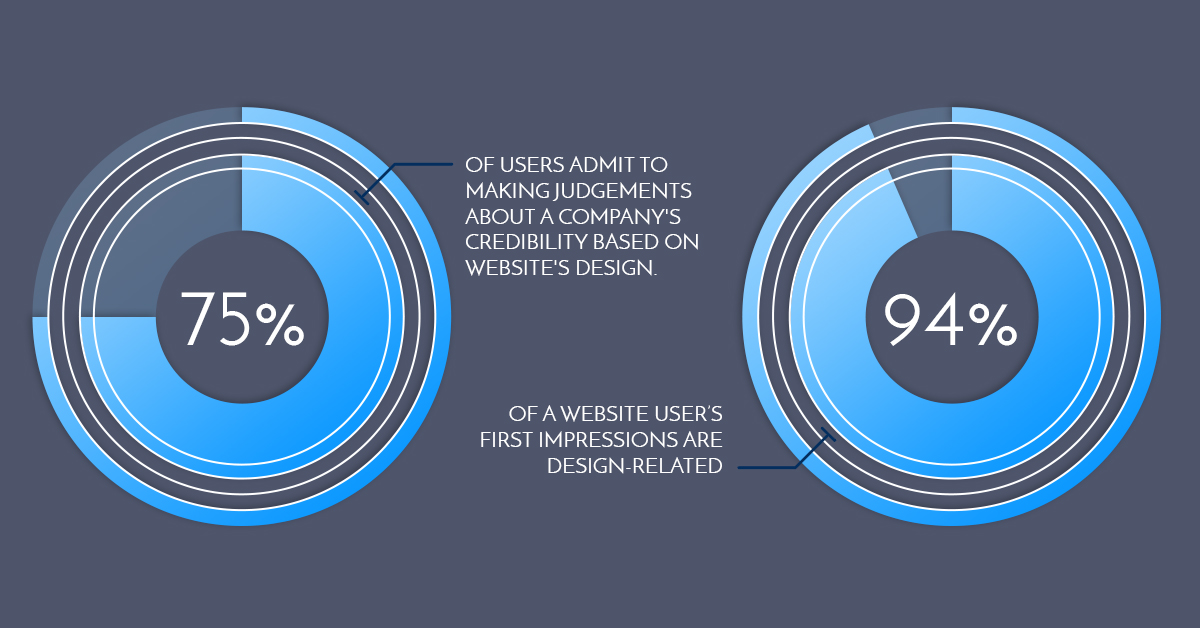
Additionally, have an about us web page to tell clients a brief story about the business background. It puts you ahead of large e-commerce businesses with no identity. Customers will also have reassurance in case they have any questions or issues.
4. Embrace Social Media
Social media is the best way to connect with new and existing customers. However, how you use the platform can either make or break you. Be interesting on social media and avoid sending the wrong vibe. Always put the customers’ needs first, and hang out with the right people. Invest in the right platform, by finding out about the social media sites used by your main audience.
5. Focus on Niche, Not the General Market
A well-developed e-commerce business focuses on specific niches, as part of their marketing strategy. Knowing which niches fit your business, evades a mistake most businesses do. They do everything to please everyone. Focused businesses, find it cheaper and quicker to be recognized within a specialist area.

When marketing, find video-bloggers, publishers, and bloggers, specialized in your targeted niches, and ask them to help promote your brand. Most of them will accept and charge a fee. However, it is a cheaper way to influence new audiences than other forms of marketing.
Finally, aim to develop real expertise within the niche, and become an influencer. Updating your social media with high-quality content, and building a fan base gradually, is a sure way to beat top businesses.